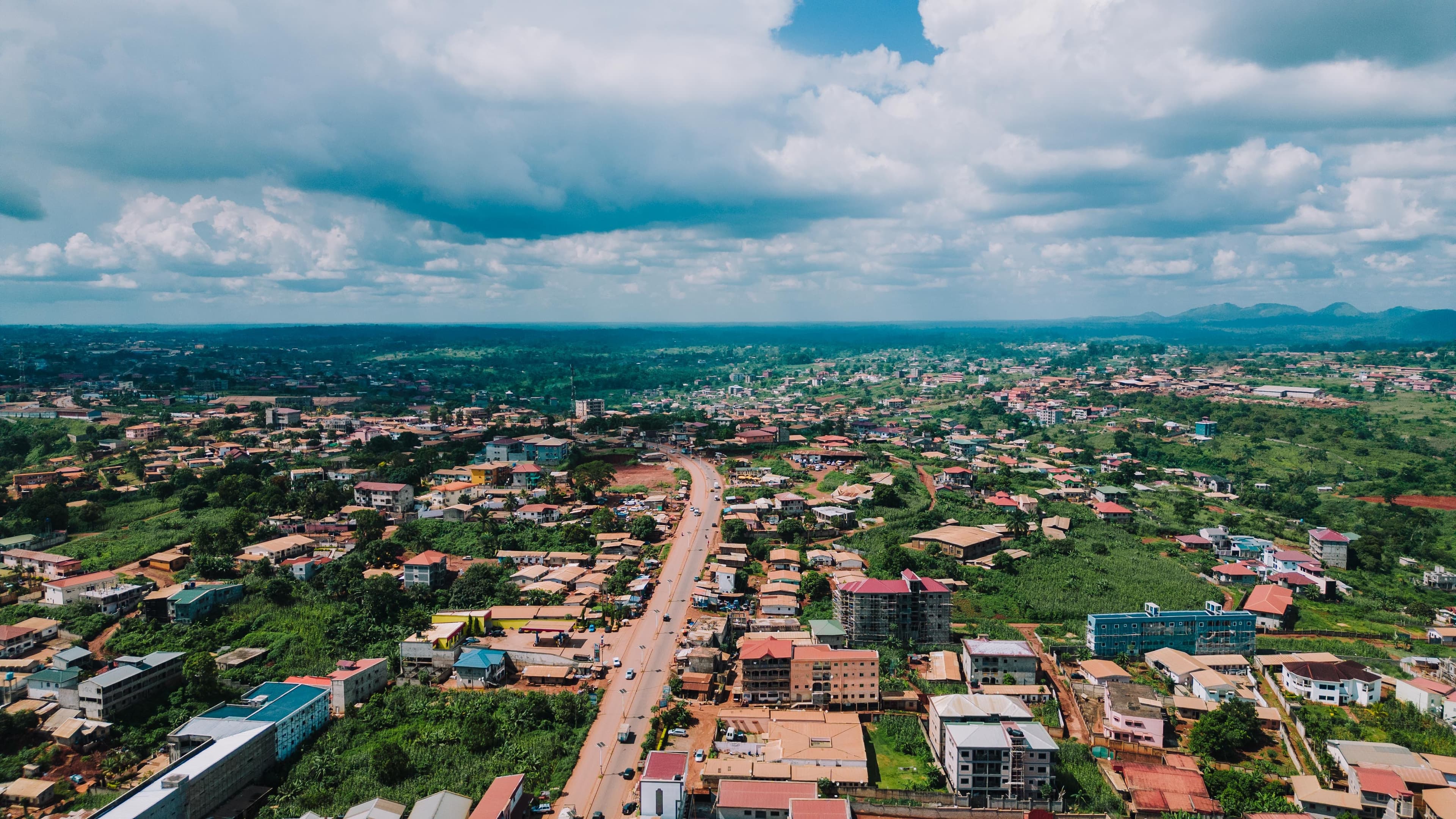

South SudanCountry
The Republic of South Sudan is a landlocked nation in East-Central Africa whose bordering neighbors are Sudan, Ethiopia, Kenya, the Democratic Republic of the Congo, Uganda, and the Central African Republic. South Sudan is one of the most culturally diverse countries in sub-Saharan Africa, with a population of about 11 million people and more than 60 different major ethnic groups. About 20 percent of the population lives in urban areas, including Juba, the capital. South Sudan is also home to the second largest animal migration in the world: a significant movement of antelopes, specifically the tiang and white-eared kob.
South Sudan is also Africa’s newest country, a distinction achieved after it won independence from Sudan in July 2011. The country’s newfound nationhood followed an agreement that ended Africa's longest-running civil war. Yet the violent conflict did not stop: In 2013, another civil war broke out, leading to large-scale conflict that devastated the economy. During the war, more than a third of the population was forced to leave their homes, resulting in a poverty rate that rose from 51 percent to 82 percent between 2009 and 2016.
The ongoing instability has affected health in South Sudan. Severe acute food insecurity is pervasive, and more than half the population requires some form of humanitarian assistance. The average life expectancy is only 58 years, and the under-five mortality rate is about 91 deaths per 1,000 live births. Diseases contributing to the most deaths in South Sudan include neonatal disorders, lower respiratory infections, diarrheal diseases, malaria, HIV/AIDS, tuberculosis, protein-energy malnutrition, and meningitis. Non-communicable diseases such as congenital defects, stroke, and ischemic heart disease have also increased, causing significant deaths in the country. Overall, the healthcare system suffers from an extreme shortage of professionals, forcing the country at times to rely on inadequately trained or low-skilled health workers. The country's hospital infrastructure remains insufficiently developed.