69MPopulation
67yearsLife Expectancy
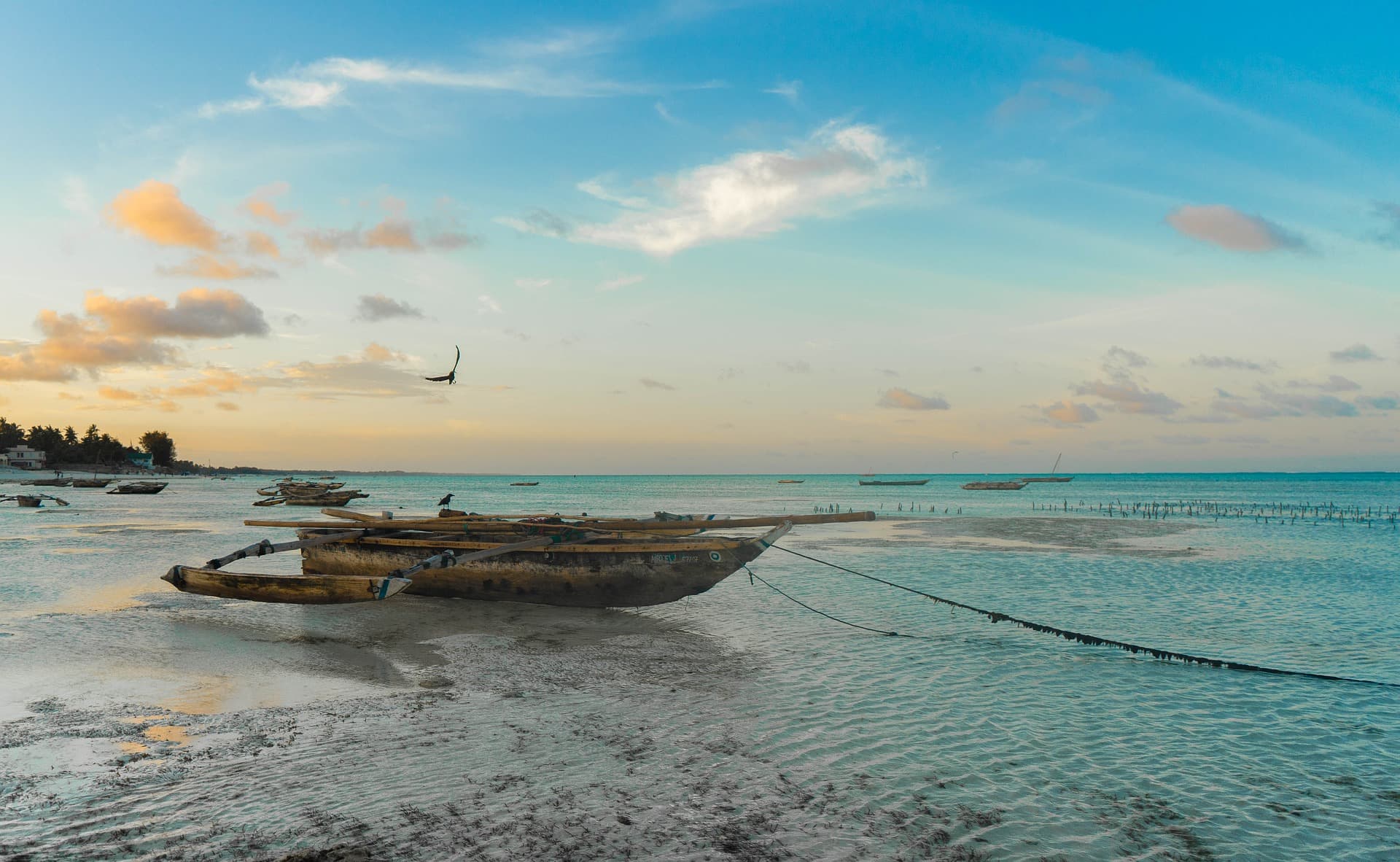

Located on the coast of East Africa, the United Republic of Tanzania is home to 62.1 million people representing more than 120 local indigenous groups. Formerly two separate nations, Tanganyika and Zanzibar unified in 1964 to become modern- day Tanzania, where English and Swahili are the country’s official languages. Most of Tanzania’s diverse population can be found living in the rural part of the country, while approximately 34 percent are in urban centers. The country’s incredible natural features include Mount Kilimanjaro, diverse wildlife, and several UNESCO World Heritage Sites. Tanzania’s rich history dates back 1.75 million years, with Olduvai Gorge being the site of some of the oldest-known human ancestor remains.
Since its formation, the country has seen improvements in its economic conditions and political stability. Tanzania still faces a variety of development challenges such as poor infrastructure, low education levels, and disparities in population health. Additionally, there exist significant social and economic inequities between urban and rural populations regarding access to opportunity and basic services, such as access to clean water.
The Tanzanian government is both the major provider and financier of health services in the country. The national Tanzanian health system supports local village-based health centers, while larger, more advanced hospitals are located in urban areas. Health indicators such as life expectancy and under-five and under-one mortality rates have improved over time, but challenges to health in the region persist. Diseases among the top causes of death in Tanzania include neonatal disorders, lower respiratory infections, HIV/AIDS, tuberculosis, malaria, diarrheal diseases, and protein- energy malnutrition. Increasingly, non-communicable diseases such as congenital defects, stroke, ischemic heart diseases, and cirrhosis have increased over time to also contribute substantially as top causes of death in Tanzania. To address major health challenges in the country, national health policies have focused on preventive medicine and health.